
Swami Satchidananda and Integral Yoga
Drawing from the spiritual traditions in which he had been formed, Swami Satchidananda established Integral Yoga as a distinctive synthesis of six classical branches of Yoga. He taught this comprehensive spiritual path internationally for decades, sharing practices and teachings directed toward physical and mental well-being and Self-realization.
Why He Remains Foundational
Swami Satchidananda is the founder and Guru through whom the Integral Yoga Tradition was transmitted, and he did not appoint a successor. His place within Integral Yoga is both historical and spiritual. The Tradition continues through its teachings and practices, clergy and teachers, centers and communities, and the many people who carry it forward.
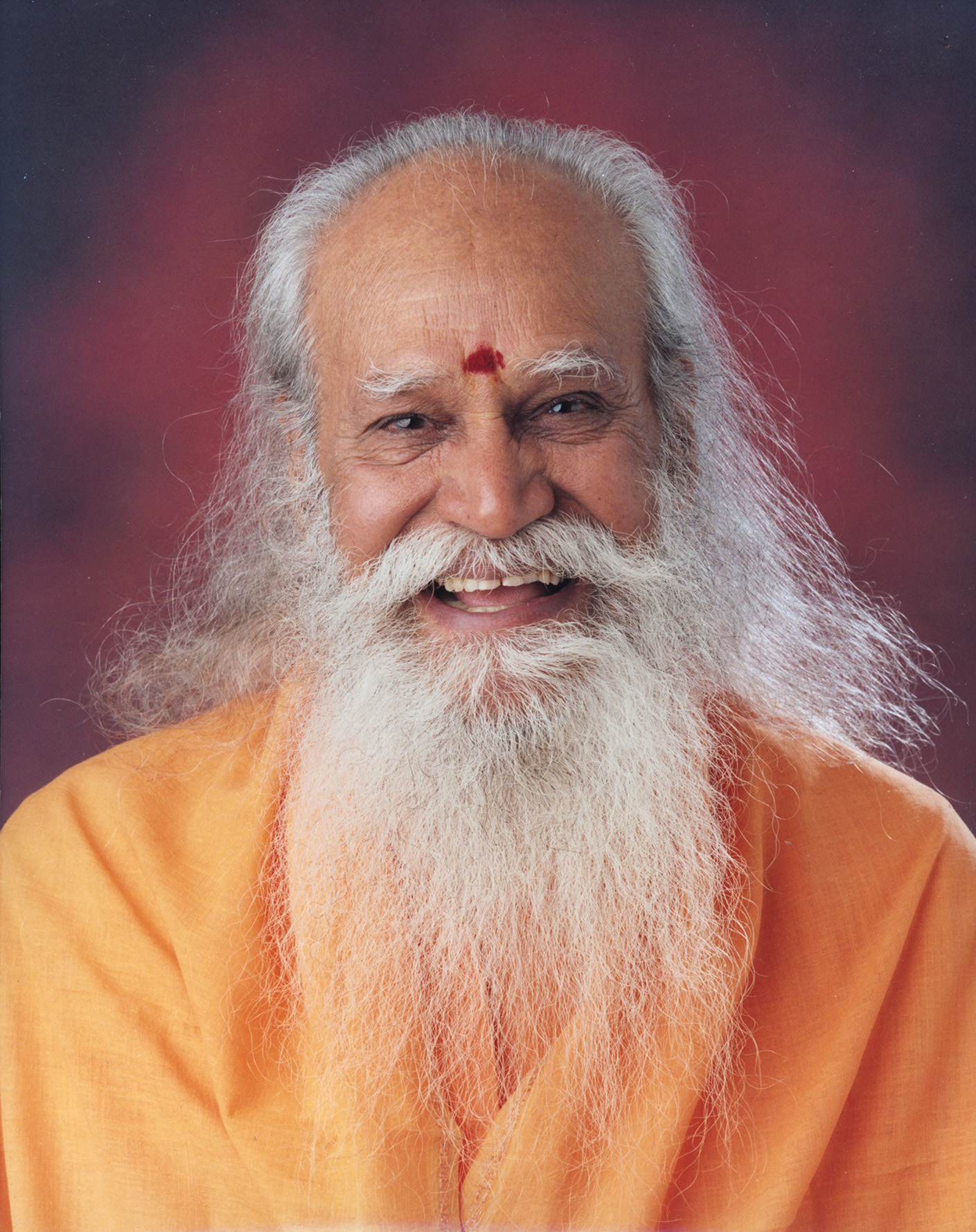
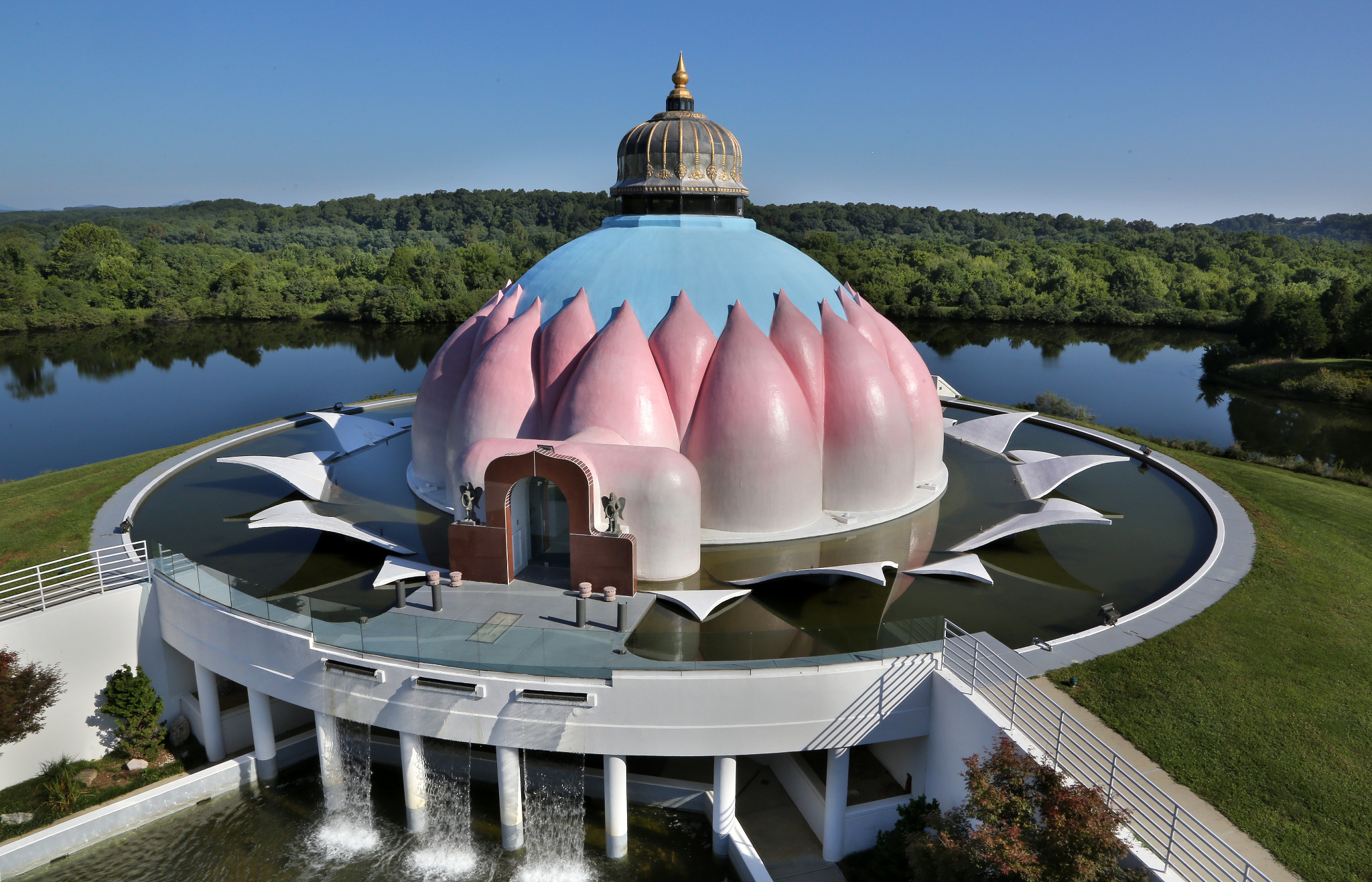
Photograph by K. Maruthachalam© Satchidananda Ashram–Yogaville, Inc.
Contributions to Yoga and the Wider World
Swami Satchidananda was among the pioneering Yoga masters who helped bring Yoga into mainstream American life. Following his arrival in the United States in 1966, his teachings, publications, and international travels helped make the ancient wisdom of Yoga accessible to people from many backgrounds.
He helped establish one of America's earliest formal Yoga teacher-training certification programs. In 1969, he founded Integral Yoga Magazine, the first Yoga magazine published in America. His books, including his influential translation and commentary on the Yoga Sutras of Patanjali, introduced generations of readers to Yoga philosophy and practice.
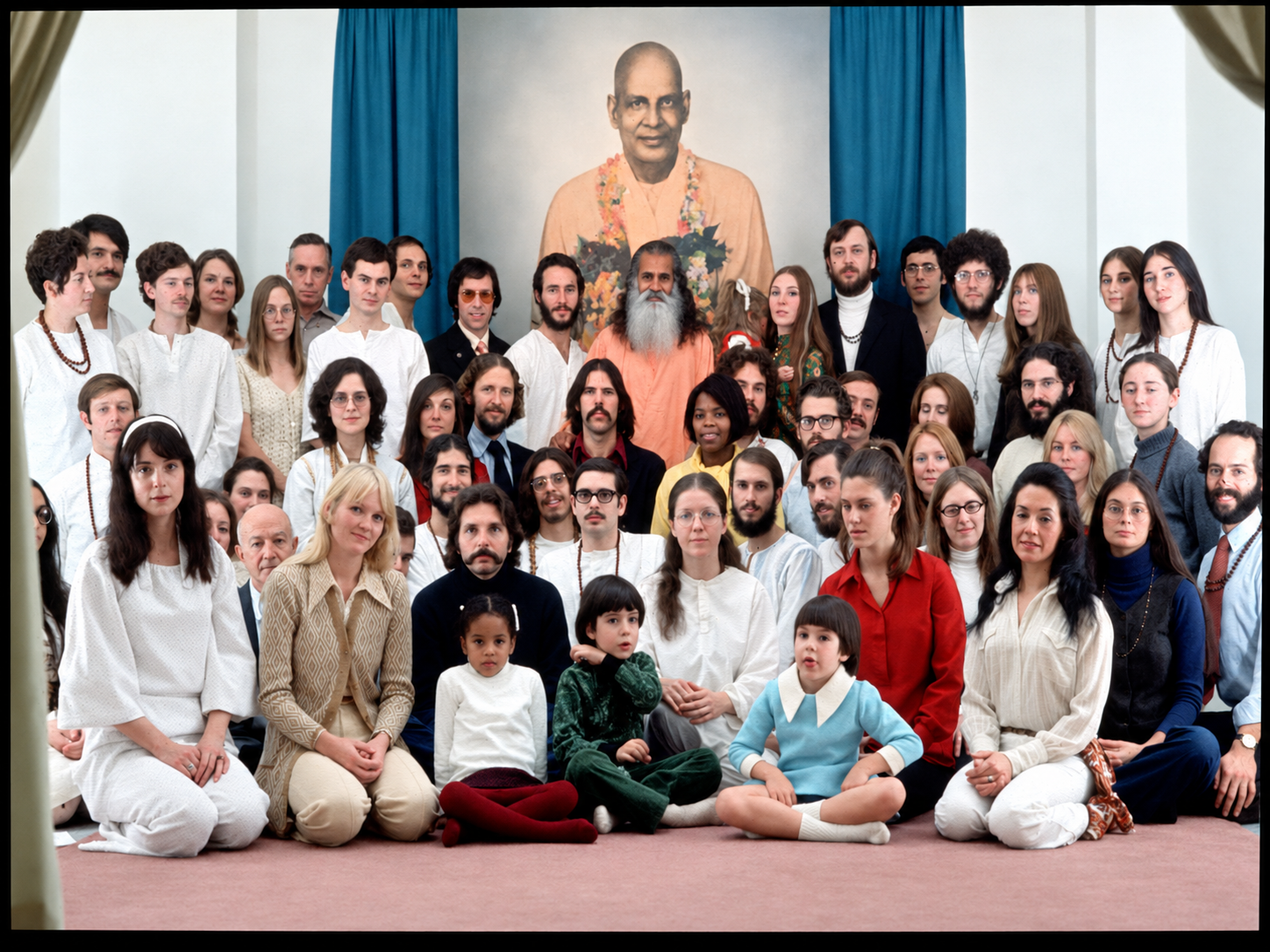
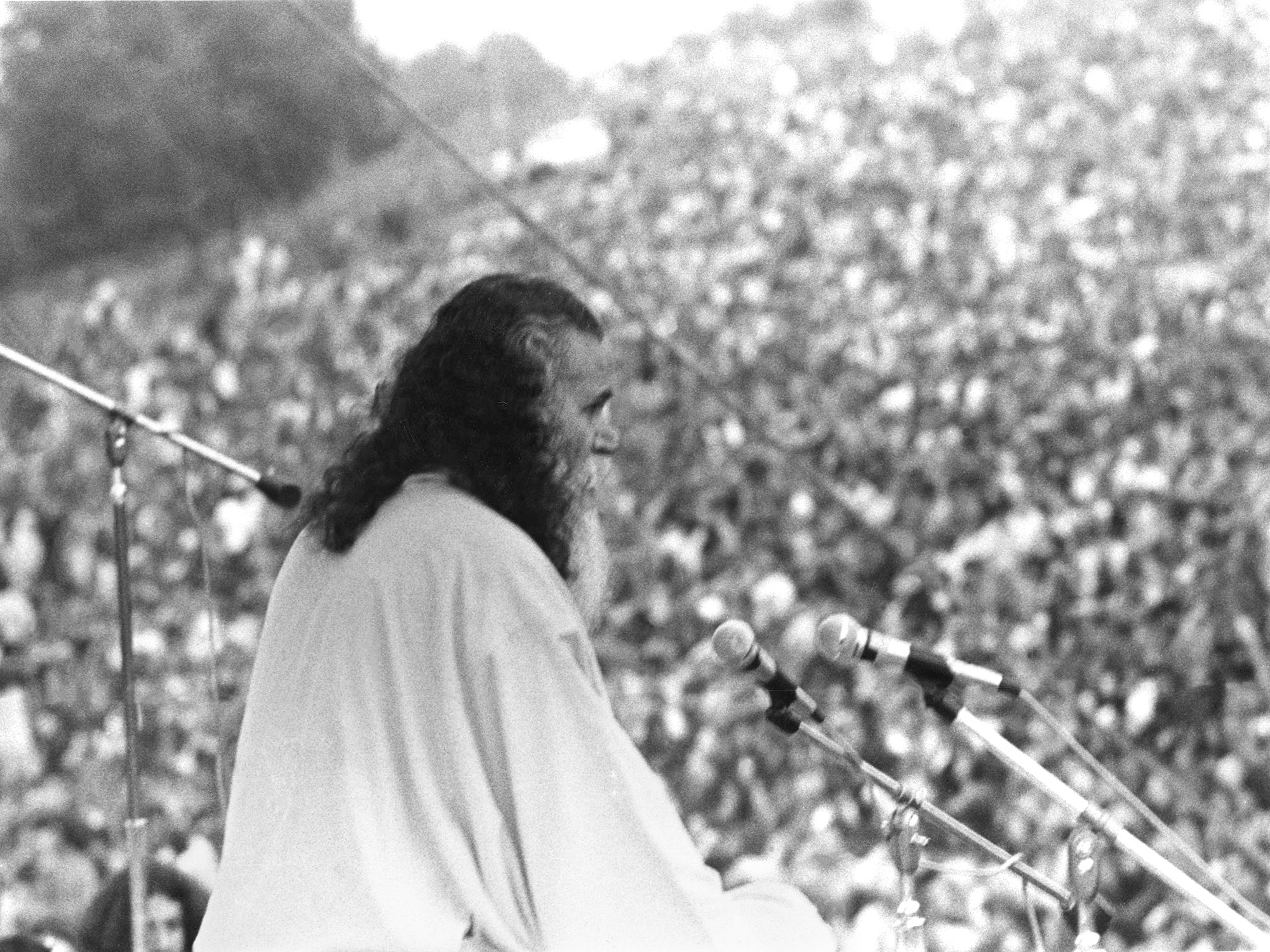
Education was another important dimension of his vision. He encouraged the integration of Yoga into the education of young people, combining academic learning with character development, ethical principles, and spiritual values. In 1977, the Integral Yoga School opened in Connecticut as a pioneering state-accredited elementary school with a Yoga-based curriculum. His educational vision continued through Yogaville Vidyalayam in Virginia and Satchidananda Jothi Niketan, a residential school in South India.
His influence extended into healthcare and medicine. He advocated a holistic approach to well-being emphasizing healthy living, vegetarian nutrition, stress reduction, meditation, and the integration of body, mind, and spirit. Integral Yoga initiatives helped pioneer integrative approaches to healthcare, and his teachings influenced early developments in lifestyle medicine, including the work of Dr. Dean Ornish on the prevention and reversal of heart disease. Integral Yoga programs also brought Yoga practices into correctional institutions, rehabilitation programs, and other community settings.
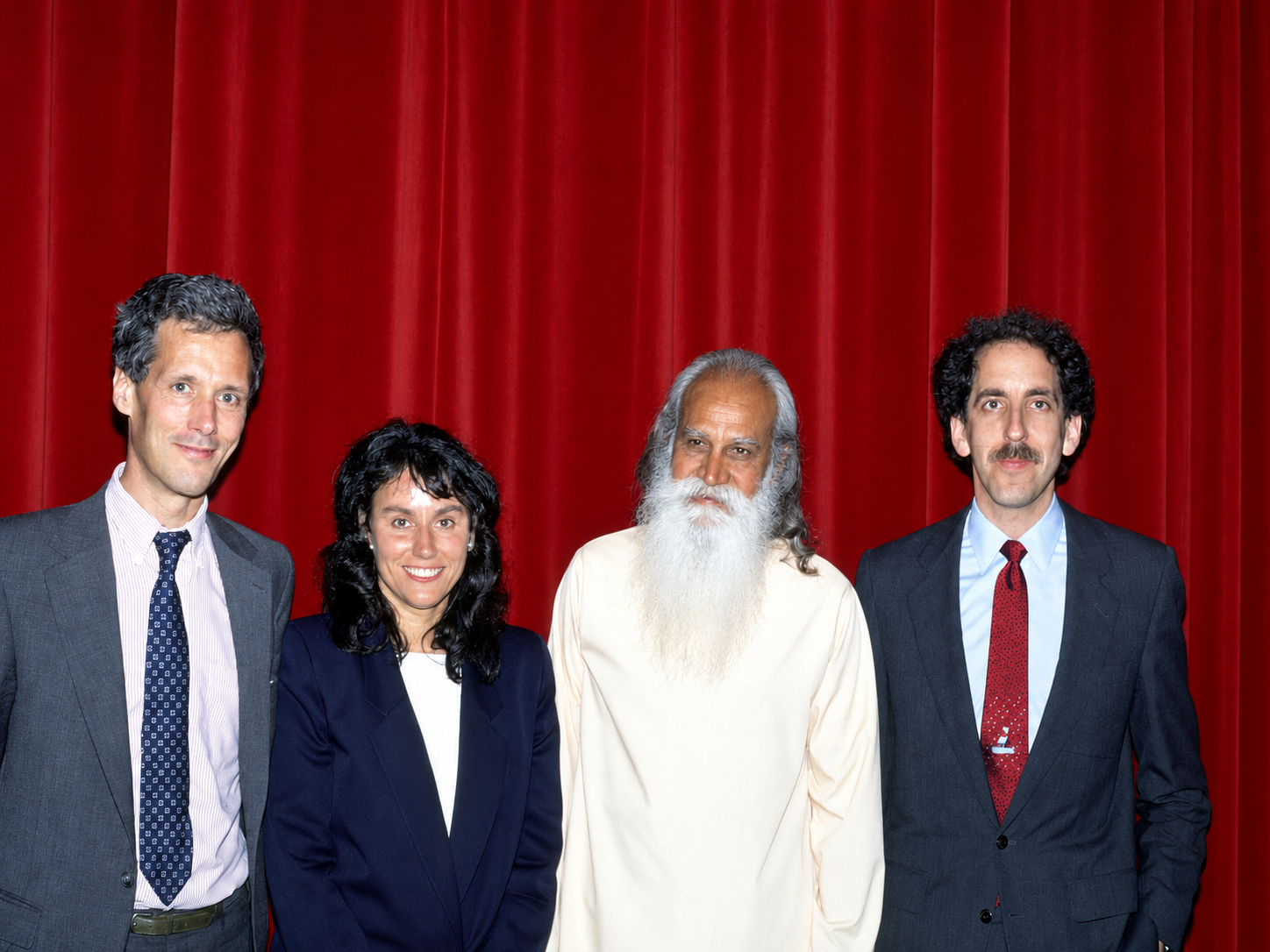
Swami Satchidananda is internationally recognized for his contributions to interfaith understanding. He collaborated with religious and civic leaders of many traditions, helped develop interfaith retreats and worship services, and promoted the recognition of spiritual unity amid religious diversity. His vision found enduring expression in the Light Of Truth Universal Shrine (LOTUS), dedicated in 1986 as a sanctuary welcoming people of all faiths. His contributions to interfaith harmony were recognized through numerous honors, including the Juliet Hollister Award and the James Parks Morton Interfaith Award.
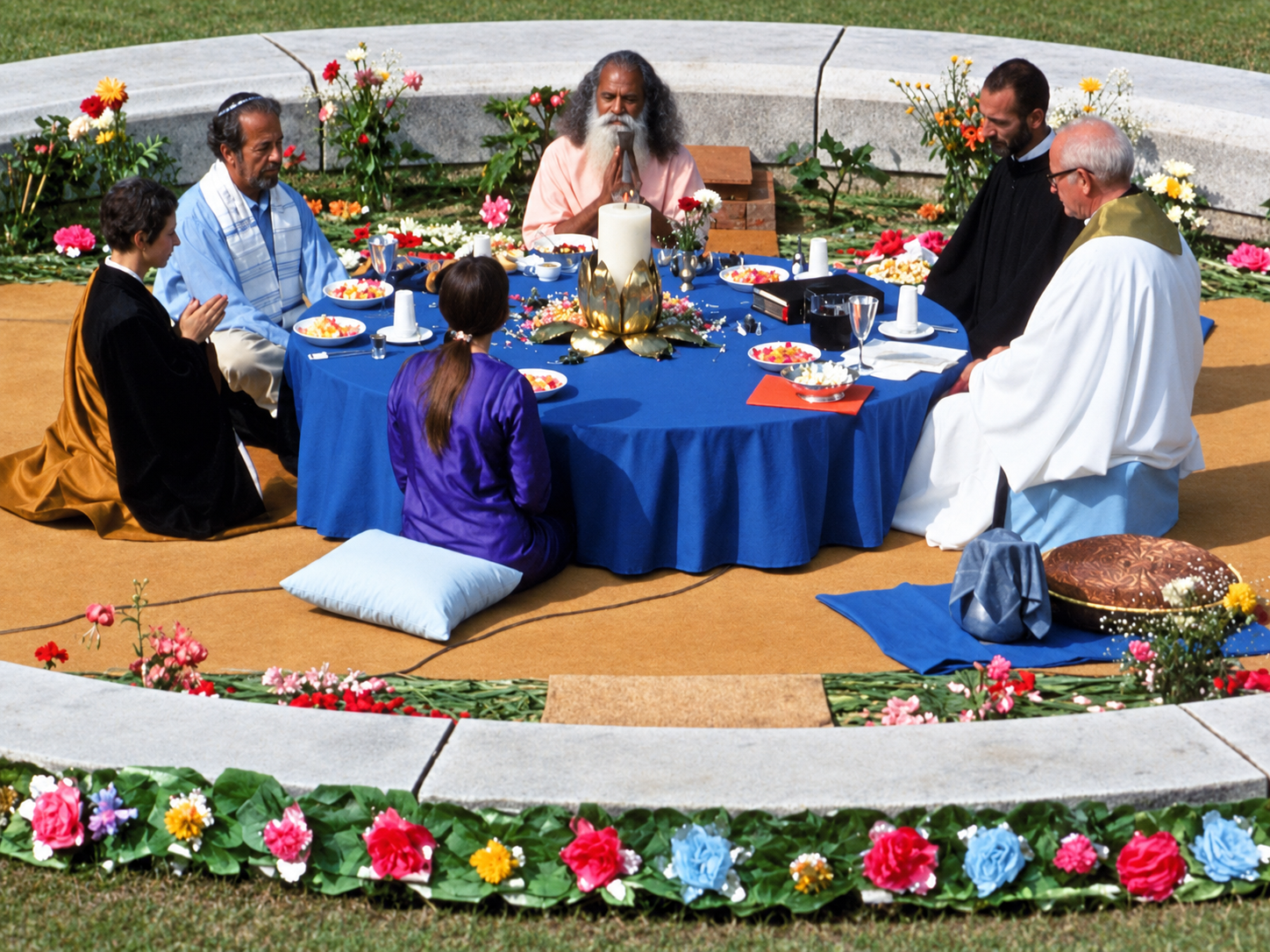
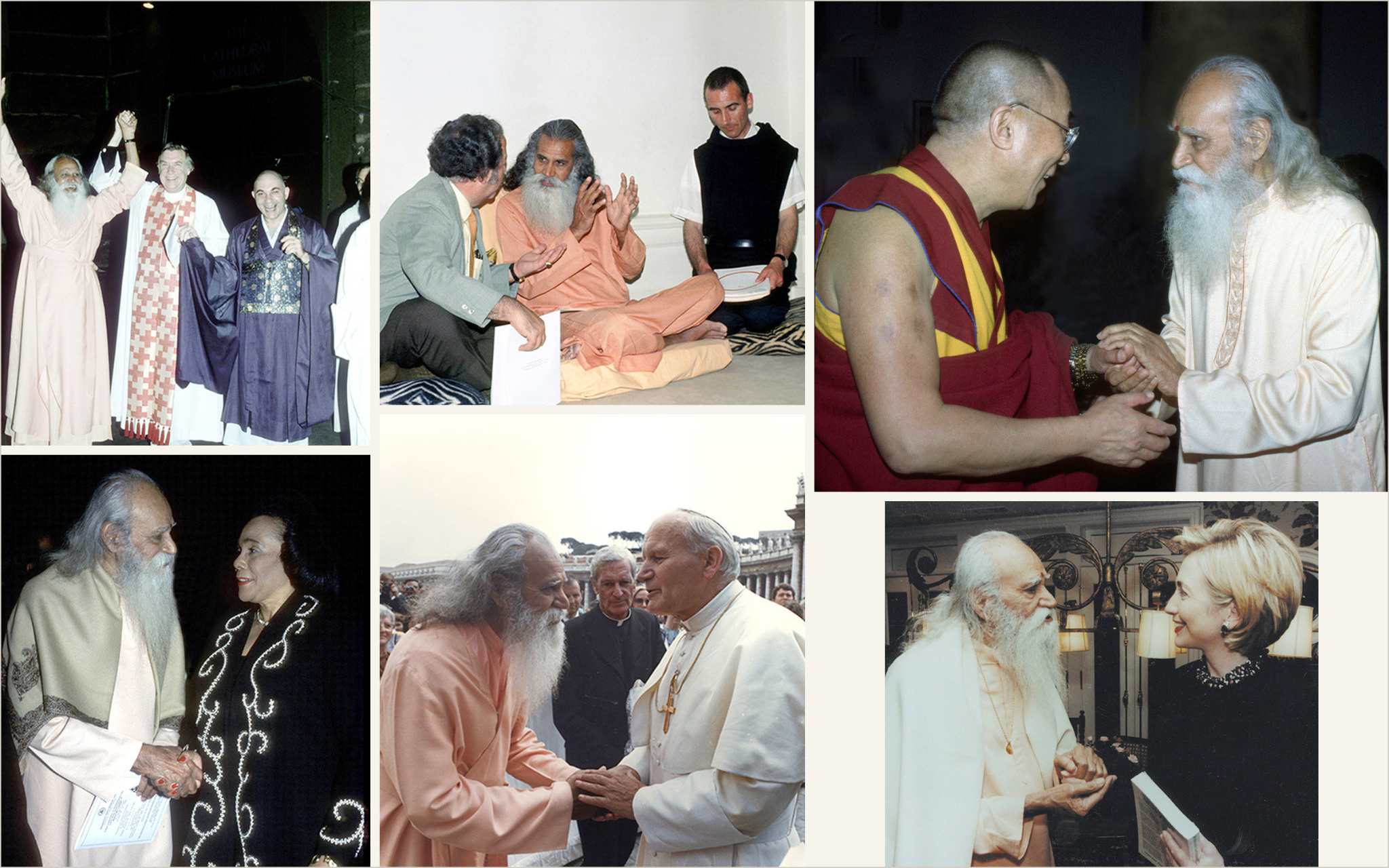
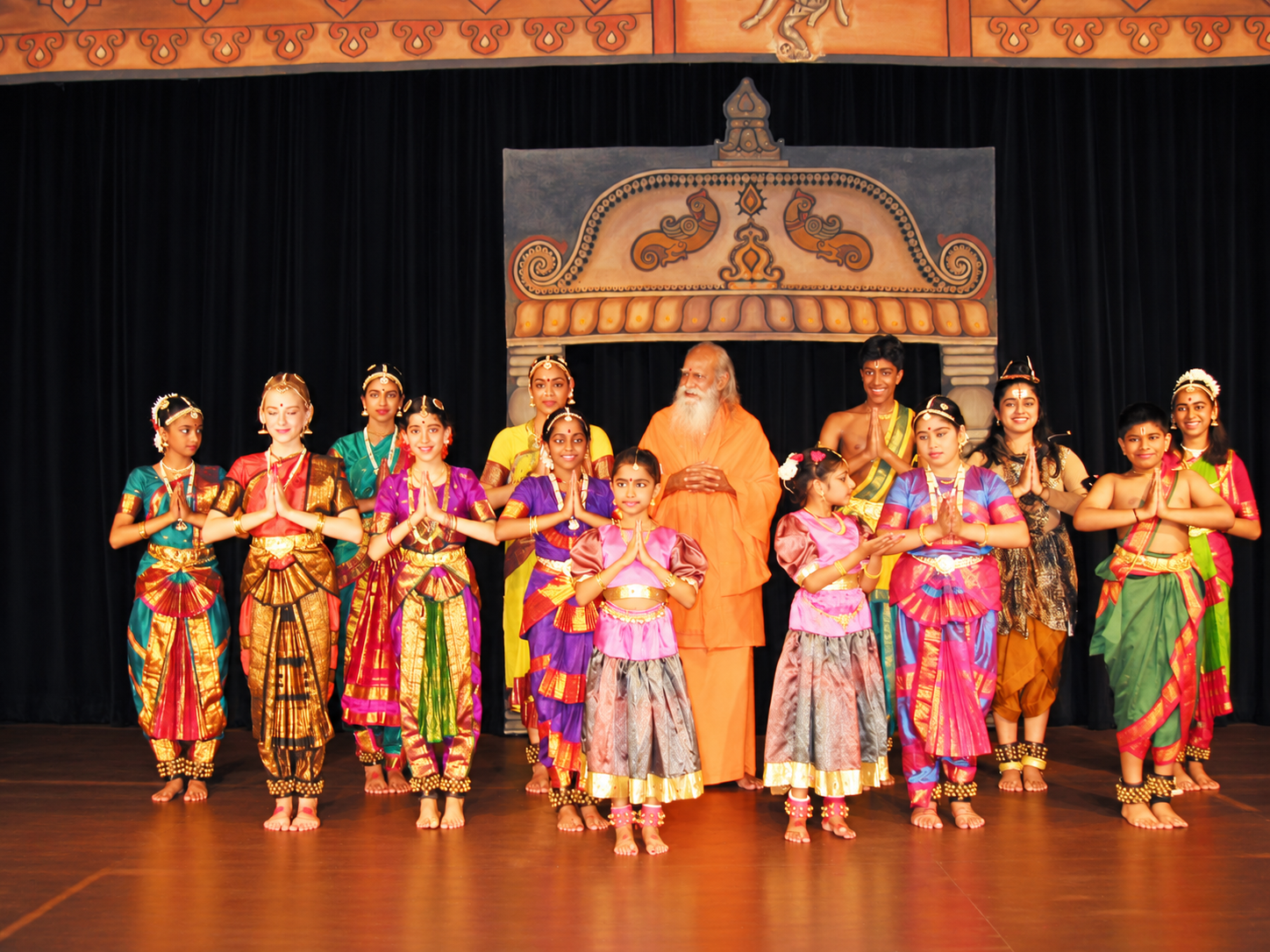
His work also built important bridges between East and West. During the early decades of Indian immigration to North America, when established Hindu temples and cultural centers were still relatively few, he was sought out by Indian families and community leaders for guidance. He encouraged inclusive places of worship and community centers that could bring together people from India's diverse religious and cultural traditions. He also helped younger generations growing up in the West maintain a meaningful connection to their Indian heritage through traditional music, dance, sacred arts, spiritual teachings, and cultural activities.
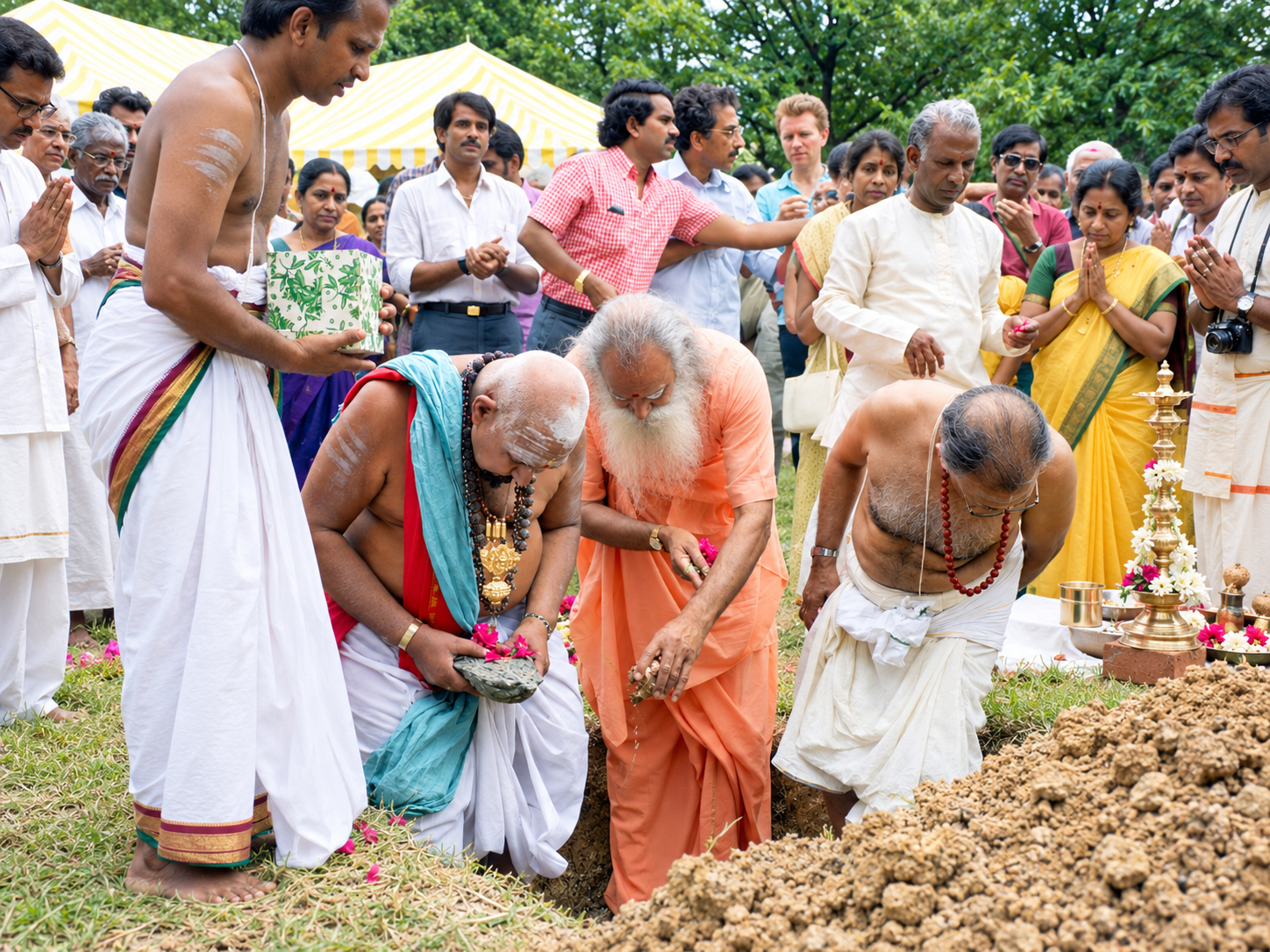
Another expression of his emphasis on selfless service is Service in Satchidananda, an independently organized charitable network established in his honor that supports humanitarian projects around the world.
His educational, cultural, and humanitarian initiatives extended across continents, reflecting a vision of Yoga not simply as a personal practice but as a foundation for service to humanity.
The Human Being
A spiritual teacher is also a human being. Public concerns and difficult questions about Swami Satchidananda's sexual activities with some students are now part of the history people may encounter when learning about him. The Community Dharma Project believes these concerns should be faced honestly, without allowing them to become the only lens through which his life, teachings, or spiritual significance are understood.
Holding the Whole Picture
For some, acknowledging difficult history can seem to threaten spiritual meaning. For others, continuing to value a teacher or tradition can feel like minimizing what was painful or inappropriate. The Community Dharma Project does not believe these realities have to cancel one another. We seek a way of seeing that can acknowledge difficult history and human complexity while also affirming the enduring value of spiritual transmission, teachings, and the living Tradition of Integral Yoga.
Historical photographs on this page are © Satchidananda Ashram–Yogaville, Inc. They are included to illustrate the life and work of Swami Satchidananda. Their inclusion does not imply that the Ashram sponsors, endorses, or is affiliated with the Community Dharma Project. This website does not grant permission for their further reproduction or use.
Further Reading & Viewing
For a fuller account of Swami Satchidananda’s life and service, see Boundless Giving: The Life and Service of Sri Swami Satchidananda (updated edition), available to read online free of charge.
For a documentary introduction to his life, teachings, and influence on the modern Yoga movement, see Living Yoga: The Life and Teachings of Swami Satchidananda — available for purchase as a digital download or DVD.
Explore the Context · Explore the Integral Yoga Tradition · Explore Complexity