Integral Yoga Tradition

Integral Yoga is more than a collection of Yoga practices. It is a living spiritual tradition with roots and lineage, teachings and sacred texts, spiritual transmission, and a community through which the Tradition is practiced, preserved, and carried forward.

1

Integral Yoga as a Spiritual Tradition
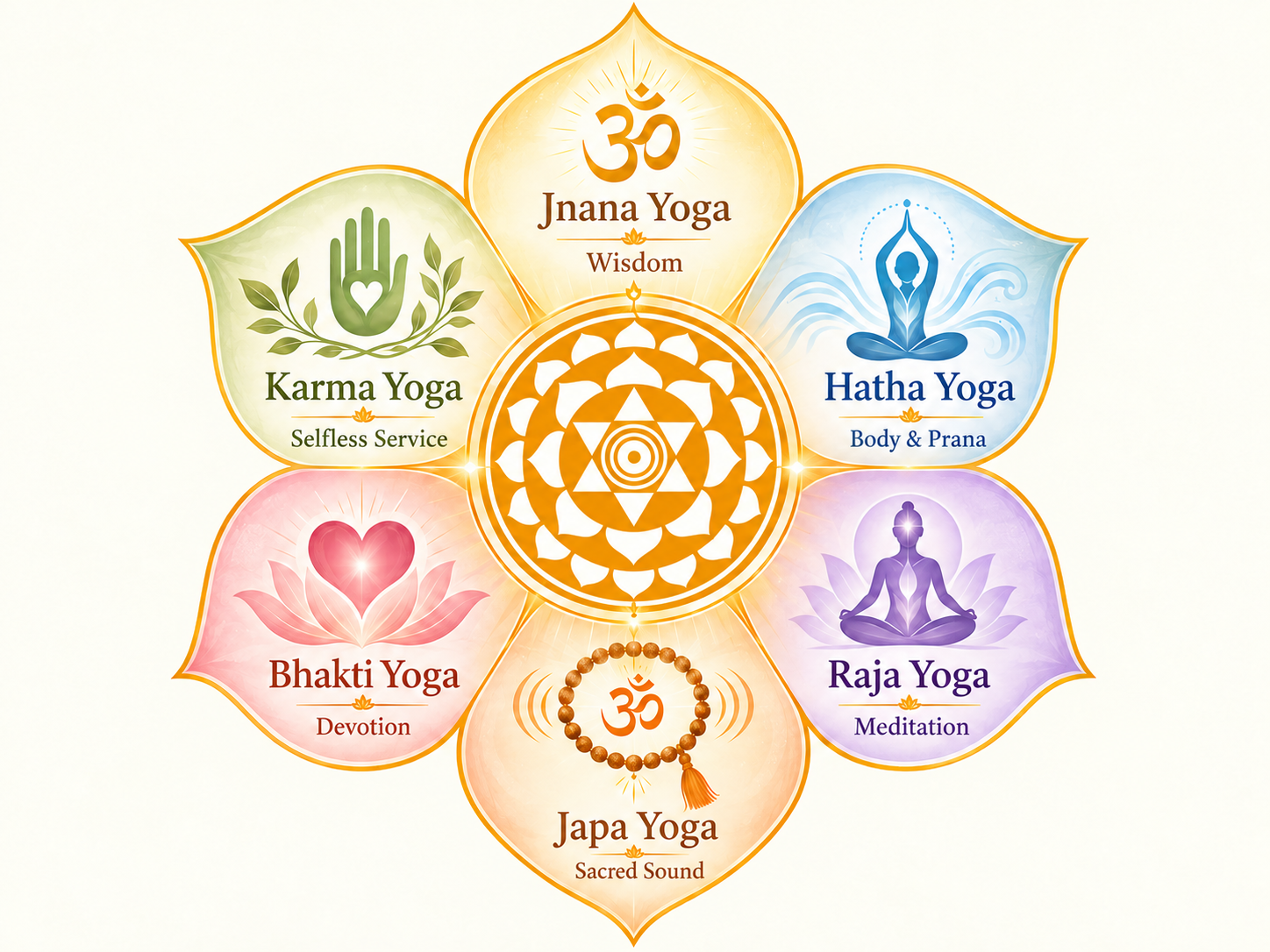
The six branches of Integral Yoga arranged around the Integral Yoga yantra

Integral Yoga is a complete spiritual path that brings together six classical branches of Yoga into a holistic approach to a more peaceful and useful life.

Jnana Yoga is the path of wisdom and Self-inquiry; Hatha Yoga works through the body and subtle energies; Raja Yoga is the path of meditation and mastery of the mind; Japa Yoga uses mantra as a central spiritual practice; Bhakti Yoga is the path of devotion to the Divine; and Karma Yoga is the path of selfless service. Together, these branches support the realization of the True Self.

Its purpose is not simply spiritual study or practice, but the transformation of the whole of life toward greater inner peace and selfless service.

What Makes Integral Yoga a Spiritual Tradition?

Integral Yoga draws upon spiritual teachings and practices found throughout the Yoga and Vedanta traditions. It is more than a collection of these teachings and techniques. It is a living spiritual tradition, rooted in an ancient lineage and transmitted through Swami Satchidananda.

His spiritual formation included the classical Yoga and Advaita Vedanta teachings received through Swami Sivananda, as well as the teachings of Tamil Shaivism and the devotional traditions of South India. Through his own spiritual realization, Swami Satchidananda brought these influences together into a comprehensive and integrated path.

The Integral Yoga Tradition encompasses not only its philosophy and practices, but also its lineage, sacred observances, scriptures and commentaries, sangha, and the continuing transmission of its teachings.

The universality of spiritual Truth does not eliminate the particularity of the tradition through which it is transmitted.
2

Roots and Lineage

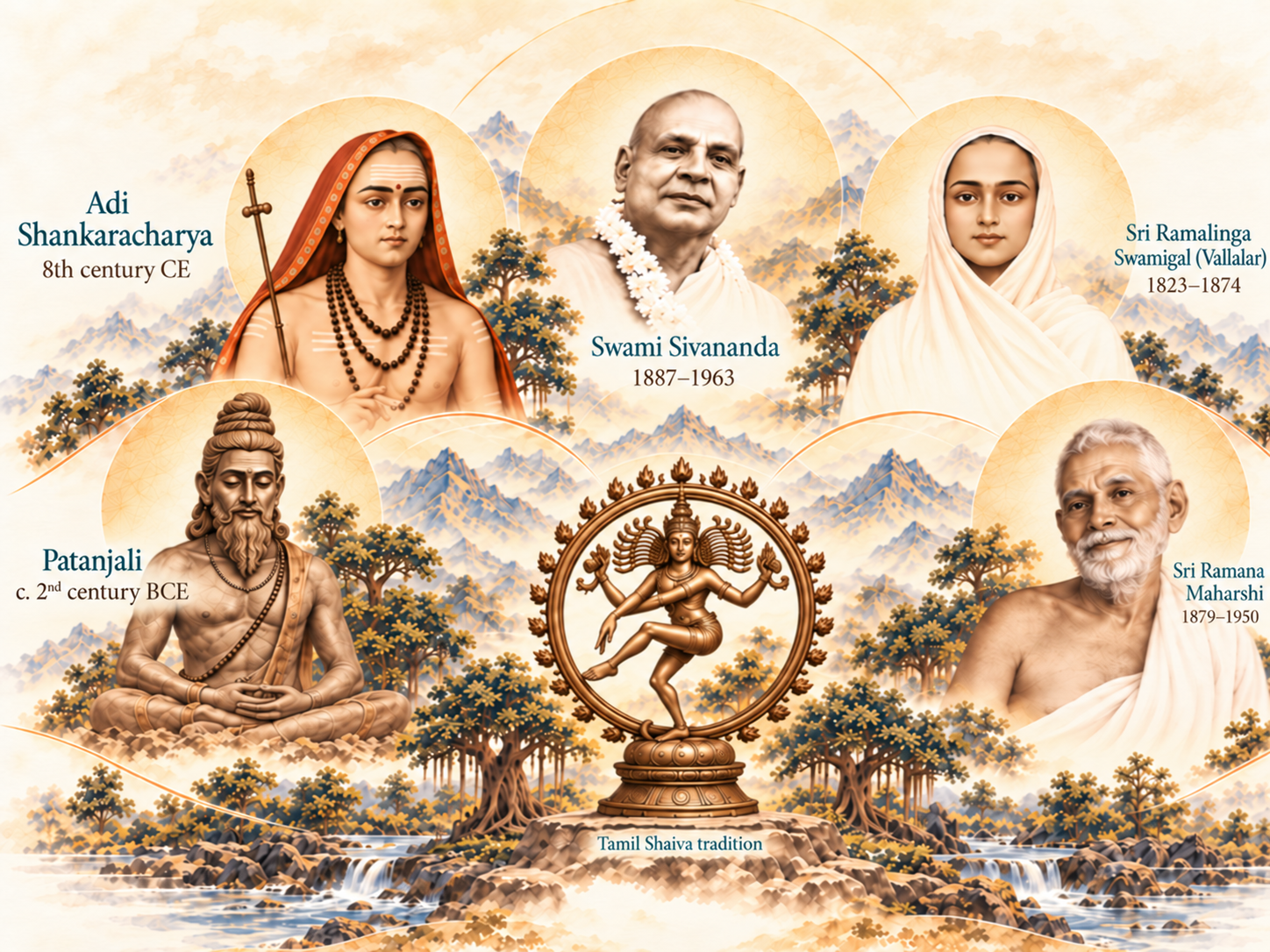
Illustrated overview of some of the spiritual roots and lineage influences of Integral Yoga

Integral Yoga is rooted in Sanatana Dharma, India’s ancient spiritual tradition grounded in the recognition of eternal spiritual truth.

Swami Satchidananda received formal initiation into sannyasa—the traditional path of renunciation and spiritual service—from his Guru, Sri Swami Sivananda (1887–1963) of Rishikesh. In this lineage, those initiated into sannyasa are known as swamis. Swami Sivananda taught a Yoga of Synthesis that brought together multiple dimensions of spiritual practice. Through him, Swami Satchidananda entered the traditional sannyasa lineage associated with Adi Shankaracharya (8th century).

His South Indian roots also included the Tamil Shaiva and bhakti traditions, the teachings of the Thirukkural—a classical Tamil text on virtue, right conduct, and the art of living—and the influence of Sri Ramalinga Swamigal, or Vallalar, whose devotion to the Divine as Light deeply influenced him.

Swami Satchidananda brought these streams together and gave them contemporary expression through the Integral Yoga Tradition.

3

Swami Satchidananda: Founder and Guru

Swami Satchidananda

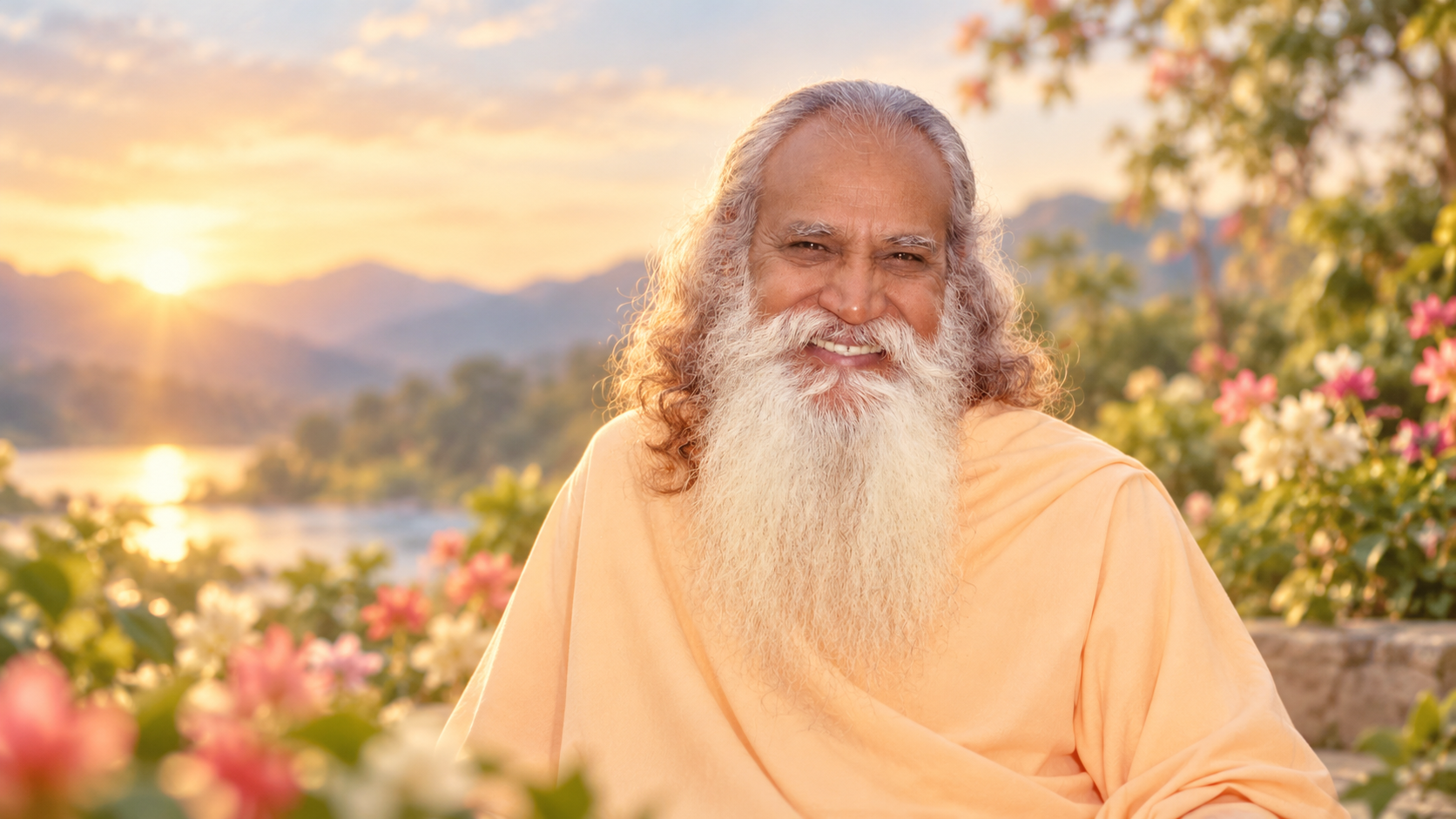
Swami Satchidananda is the founder and Guru of the Integral Yoga Tradition.

These two words describe different dimensions of his role. As founder, he established Integral Yoga in its contemporary form and gave shape to the spiritual community through which it developed and spread internationally. As Guru, he is the spiritual teacher through whom the Integral Yoga Tradition was transmitted to his students.

At the same time, Swami Satchidananda was a human being whose life included complexities that are now part of Integral Yoga’s history. Acknowledging those complexities does not require either erasing his foundational role or idealizing the human personality.

Swami Satchidananda: Teacher, Guru, Founder, and Human Being
4

Guru-tattva and Spiritual Transmission

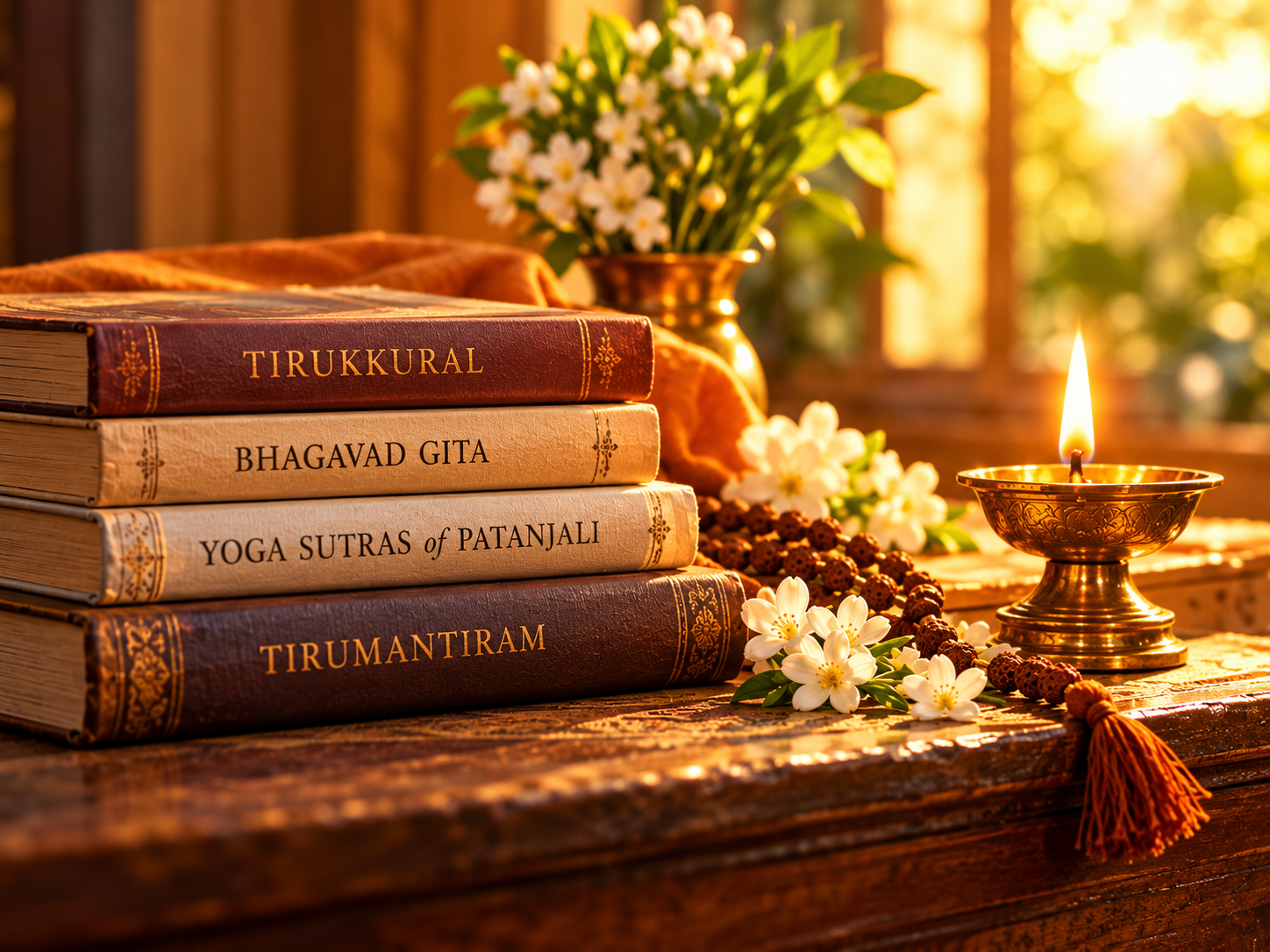
Sacred texts, mala beads, flowers, and an oil lamp

Within the Yoga and Vedanta traditions, Guru-tattva refers to the spiritual principle through which wisdom is revealed. The human Guru serves as a channel through which spiritual wisdom and grace are transmitted.

Within this understanding, the spiritual wisdom and grace transmitted through the Guru are not diminished by the complexities or limitations of the Guru’s human life. This allows us to acknowledge those complexities without negating the spiritual transmission. It does not excuse misconduct, diminish the pain of those affected, or lessen the need for acknowledgment and accountability.

Integral Yoga teaches that Guru-tattva is not dependent upon the Guru’s continued physical presence. Spiritual guidance and inspiration remain available beyond the physical form, and one’s relationship with the Guru may continue to deepen through spiritual practice.

Guru-bhakti

Guru-bhakti is the devotional relationship with the Guru and is an expression of Bhakti Yoga, one of the six branches of Integral Yoga.

Bhakti Yoga is the broader path of devotion to the Divine. Guru-bhakti is love and devotion to Guru-tattva as expressed through the particular Guru. For someone who practices Guru-bhakti, this devotion may include deep personal love for that Guru. In Integral Yoga, love for Swami Satchidananda—his presence, guidance, and teachings—can be an authentic expression of that devotion, while recognizing that Guru-tattva transcends the human personality.

Guru-bhakti is not unique to Integral Yoga or something created by Swami Satchidananda. It is a longstanding practice within the Yoga and Vedanta traditions and forms part of the spiritual lineage inherited by Integral Yoga.

In Integral Yoga, each person is free to determine the nature of their own personal relationship with Swami Satchidananda.

5

How Integral Yoga Continues Today

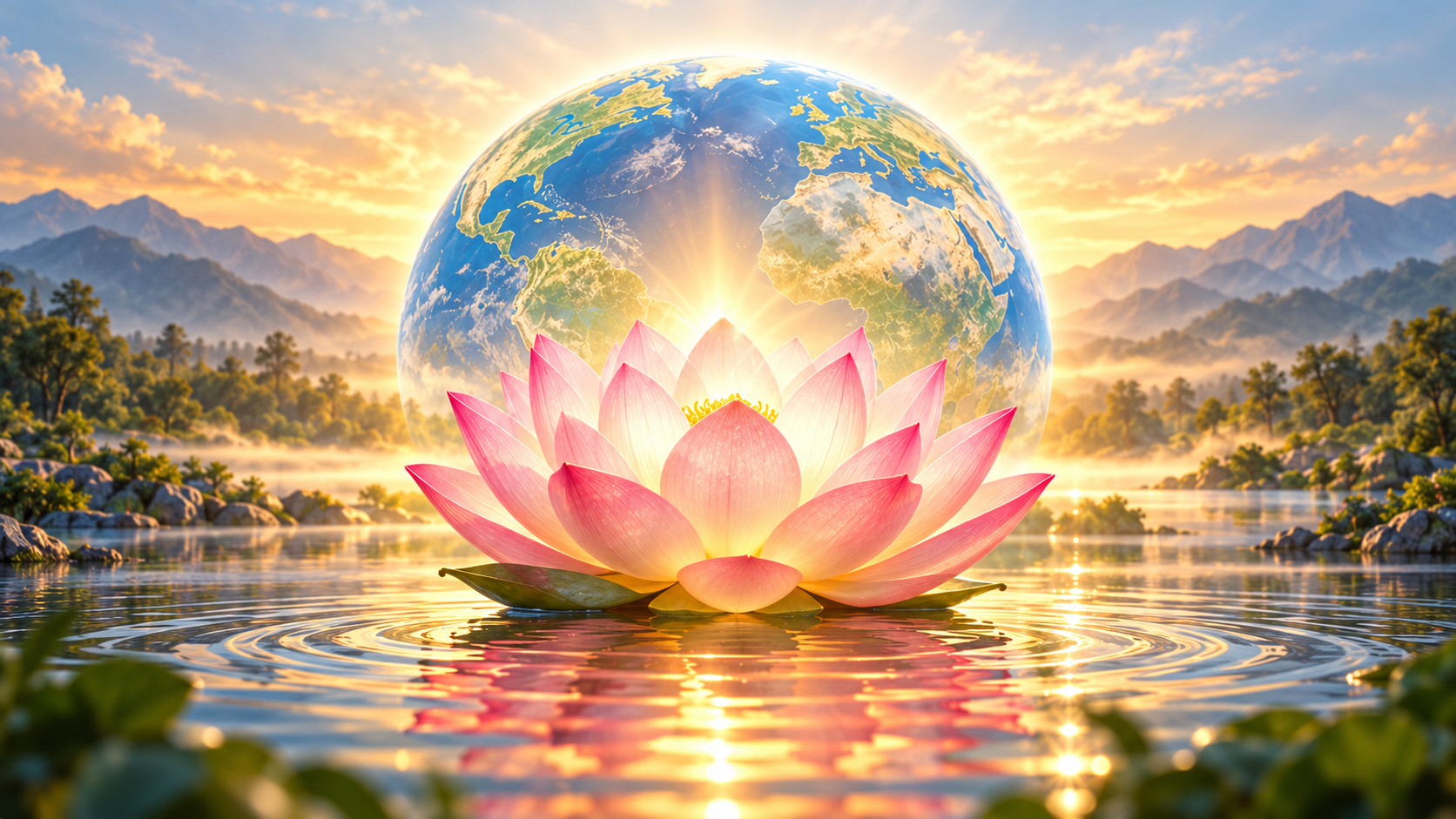
A blossoming pink lotus before a globe, symbolizing a living worldwide tradition

Swami Satchidananda did not appoint a spiritual successor. He remains the Guru of Integral Yoga, not simply its historical founder. His spiritual presence and guidance continue, and many devotees experience this continuing relationship in their spiritual lives.

The Tradition also continues through the teachings and practices he transmitted, through the spiritual transmission described by Guru-tattva, and through those who study, practice, and share the complete Integral Yoga Path.

Integral Yoga is carried forward by swamis, pre-sannyasis, ministers, mantra initiators, teachers, and practitioners, and through the ashram, centers, and Integral Yoga communities around the world.

In this way, Integral Yoga remains a living tradition rather than simply a body of teachings preserved from the past. Its continuity depends upon people who practice the Path, transmit its teachings faithfully, support one another in spiritual life, and carry its wisdom into new generations.

The living community also carries responsibility for how the Tradition develops in the present. Ethical safeguards and accountability, standards of conduct, and appropriate disclosure belong to the community that carries Integral Yoga forward today.

Further Exploration

Integral Yoga 60th Anniversary Commemorative Booklet — a free online flipbook from Integral Yoga Magazine, exploring the Tradition’s roots and lineage, six branches, history, teachings, and worldwide development. The link opens the free commemorative booklet directly on Issuu.